In today’s fast-paced business environment, keeping track of assets is more than just a compliance requirement—it is a fundamental necessity for operational efficiency and financial health.
An asset register, often overlooked or underutilized, is not just a static list of equipment, machinery, and properties. It is a dynamic tool that provides critical insights into asset value, maintenance schedules, and overall business sustainability.
What Is an Asset Register?
An asset register is a comprehensive record of all the physical and intangible assets owned by a business. This includes machinery, equipment, vehicles, IT infrastructure, real estate, and intellectual property.
It typically contains critical details such as acquisition dates, purchase costs, current values, maintenance schedules, and other relevant asset information.
Why an Asset Register is Essential
- Improved Maintenance and Longevity. An asset register helps track service schedules, reduce downtime, and prevent unexpected failures. Properly maintained assets have longer lifespans and lower replacement costs.
- Optimized Resource Allocation. Clear visibility of asset utilization allows businesses to redistribute underused assets instead of investing in unnecessary new purchases.
- Regulatory Compliance and Auditing. A well-structured asset register simplifies audits, reduces compliance risks, and ensures reporting requirements are met efficiently.
- Enhanced Financial Control. Accurate asset data enables proper depreciation calculations, cost tracking, and informed financial decision-making.
- Minimized Asset Loss and Mismanagement. Asset ownership and location tracking improve accountability and reduce the risk of loss or misuse.
Implementing an Effective Asset Register
- Use asset management software to enable real-time tracking and reduce human error.
- Conduct regular audits to ensure data accuracy and completeness.
- Standardize data entry to maintain consistency and clarity.
- Integrate the asset register with financial and maintenance systems.
At CRI, we have developed a web-based application called IMEx to support these best practices. The asset register module serves as the backbone of the application and integrates seamlessly with other asset management modules.
Key Aspects of an Asset Register
- Asset Identification: Unique asset ID, description, category, and classification.
- Asset Details: Purchase price, vendor information, and asset status.
- Location and Ownership: Physical location, responsible personnel, and movement history.
- Maintenance and Lifecycle Tracking: Maintenance schedules, repair history, and replacement planning.
- Financial and Compliance Information: Depreciation, insurance details, and regulatory compliance.
Another crucial element that enhances asset structure is asset hierarchy. Asset hierarchy organizes assets from maintainable items to equipment, systems, and locations, improving identification, maintenance planning, and data consistency.
ISO 14224 provides international guidelines for defining asset hierarchy levels, ensuring a standardized and systematic approach to asset management.
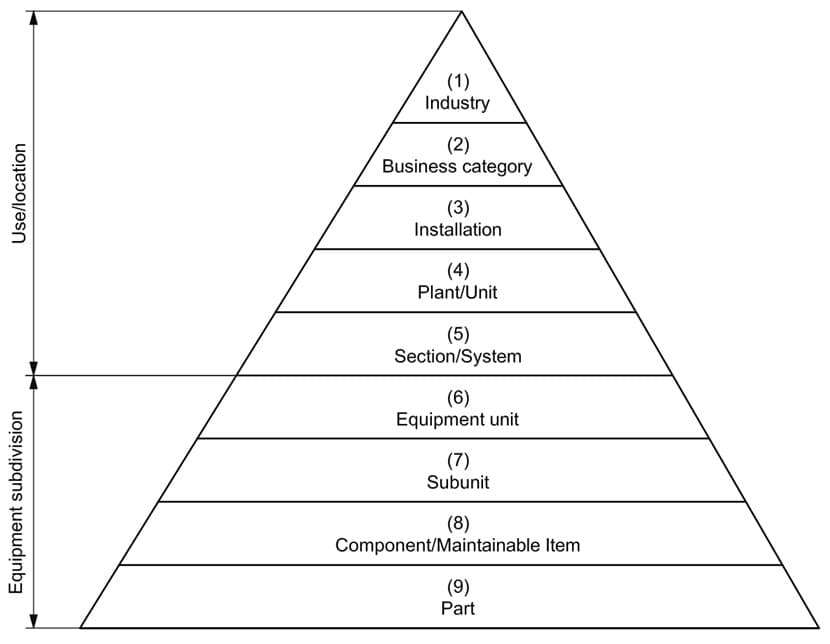
CRI Commitment to Asset Register Excellence
- Development of PRAISe (Petronas Reliability & Asset Integrity Integrated System) including an Asset Register module.
- Development of PRIMES for SPIE Global Services Energy Thailand for asset and spare part register management.
- Asset register enhancement for Harbour Energy Indonesia based on ISO 14224.
Through scalable and customizable platforms, CRI enables organizations to enhance asset visibility, optimize maintenance planning, and improve decision-making while ensuring compliance with international standards.
Discover more insights
3 Common Asset Recording Mistakes in Oil and Gas Plants and Their Solutions

How Predictive Maintenance Prevents Offshore Equipment Failures
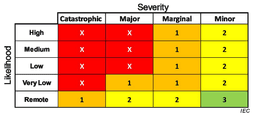
Understanding Equipment Criticality Assessment
Explore More
Discover deeper perspectives and insights.

Explore more insights
Discover deeper perspectives from our experts.