In asset intensive industries, the performance of physical assets strongly influences operational success. Equipment reliability, maintenance effectiveness, and lifecycle management directly affect productivity, safety, and long-term business performance. For many organizations, improving these areas has become increasingly important as operations grow more complex and assets become more critical to overall performance.
However, despite the growing interest in reliability and asset management practices, many organizations still struggle to apply these concepts consistently. The challenge is often not the lack of frameworks or methodologies, but rather the lack of internal awareness and capability required to implement them effectively.
From the writer’s observation while studying and working with reliability and asset management concepts, this gap is quite common. Many technical professionals understand the importance of maintaining equipment, yet the connection between daily maintenance activities and long-term asset value is not always clearly established. Without a structured approach, maintenance tends to become reactive, focusing on fixing problems after they occur rather than systematically improving asset performance.
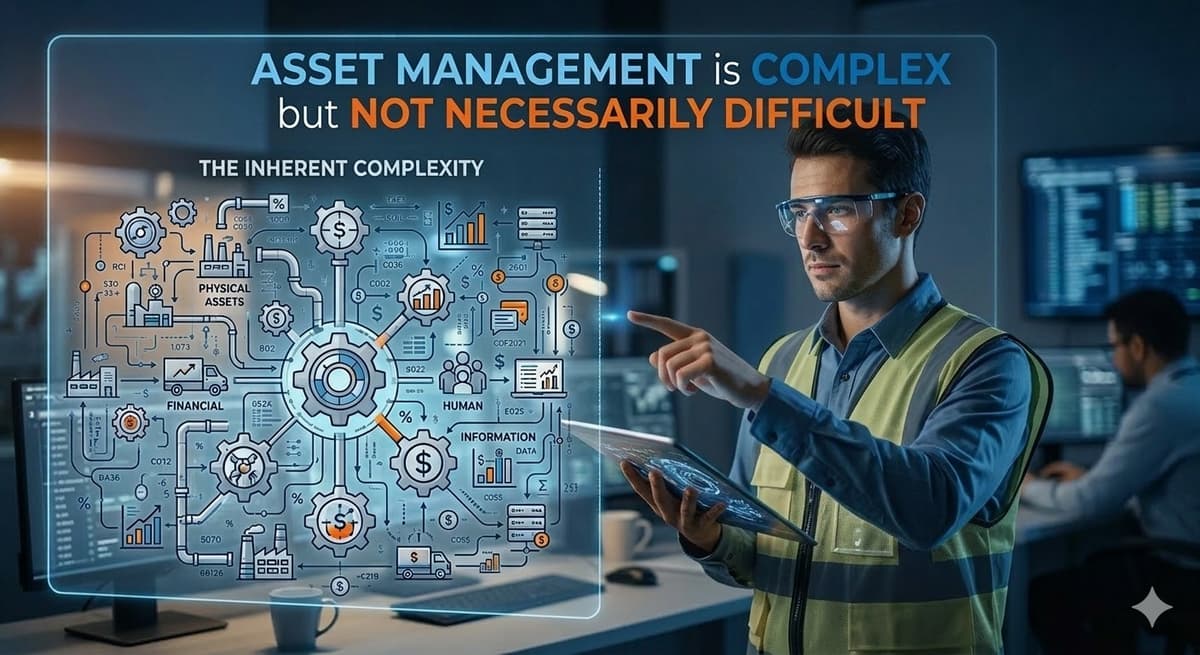
Understanding Asset Management as a Structured Discipline
Asset management is frequently associated only with maintenance activities. In reality, it is a broader discipline that focuses on managing assets throughout their entire lifecycle, from planning and acquisition to operation, maintenance, and eventual replacement.
International frameworks such as ISO 55001 emphasize that asset management should align operational activities with organizational objectives while balancing cost, risk, and performance. In this context, asset management becomes both a technical and strategic discipline.
However, implementing these principles requires more than documented procedures or policies. It requires people who understand the concepts and are able to translate them into practical actions within operational environments.
Training plays an important role in developing this understanding.
Learning From Practical Experience
The effectiveness of reliability and asset management training increases significantly when it is delivered by practitioners who have direct experience working on real projects.
Practical experience helps translate theoretical frameworks into real world applications. Participants are able to understand how reliability concepts are applied in operational environments, how failures are investigated, and how improvement initiatives are implemented within practical constraints.
This practical perspective makes training more relevant and helps participants connect the concepts they learn with the challenges they encounter in their own organizations.
Asset Management: Complex but Not Necessarily Difficult
From the writer’s personal learning journey, asset management initially appears to be a complex discipline because it integrates many different aspects such as reliability engineering, maintenance strategy, risk management, and lifecycle planning.
However, complexity does not necessarily mean difficulty.
At its core, asset management is about understanding assets, managing risks, and ensuring that operational activities support long term organizational objectives. Many organizations are already performing parts of these activities in their daily operations.
Training helps provide the structure that connects these individual practices into a coherent system. Once this structure becomes clear, reliability improvement and asset performance management become much easier to approach in a systematic way.
Strengthening Reliability Capability
Improving reliability and asset performance ultimately depends on the capability of the people managing the assets. Developing that capability requires not only experience, but also structured understanding of reliability principles, asset lifecycle thinking, and systematic approaches to improvement. As organizations continue to face increasing operational complexity, strengthening internal knowledge becomes an important step toward achieving more reliable and sustainable operations.
To support this need, Cliste Rekayasa Indonesia provides Reliability and Asset Management Training programs designed for professionals working in asset intensive industries. Delivered by practitioners with real project experience and aligned with international frameworks such as ISO 55001 and established reliability practices, the training aims to help organizations build practical internal capability to manage and improve the performance of their assets.
Author: Jen Megah Bremanda Sembiring (Reliability Engineer)
Discover more insights
3 Common Asset Recording Mistakes in Oil and Gas Plants and Their Solutions

How Predictive Maintenance Prevents Offshore Equipment Failures
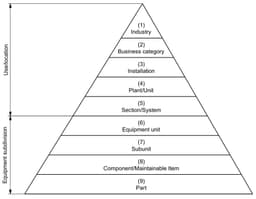
Understanding the Importance of an Asset Register
Explore More
Discover deeper perspectives and insights.
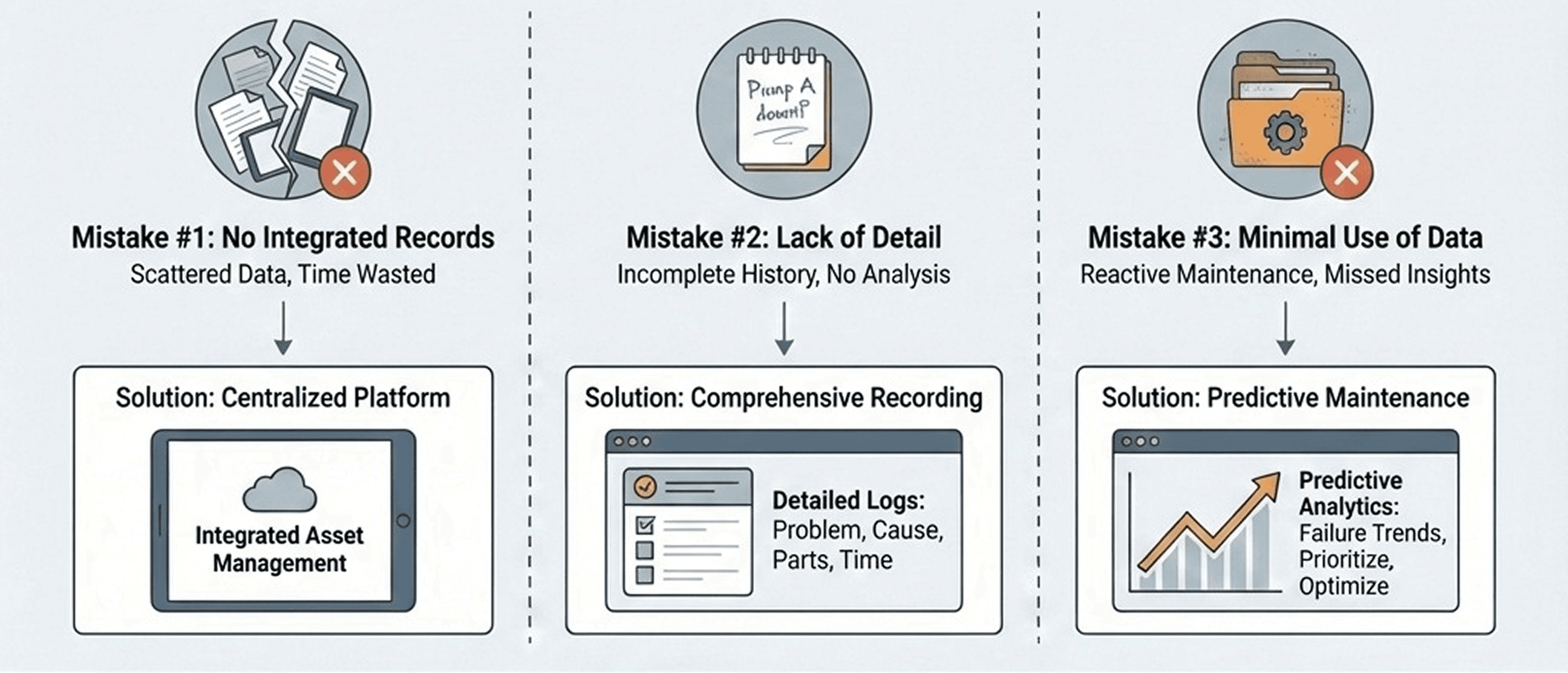
Explore more insights
Discover deeper perspectives from our experts.