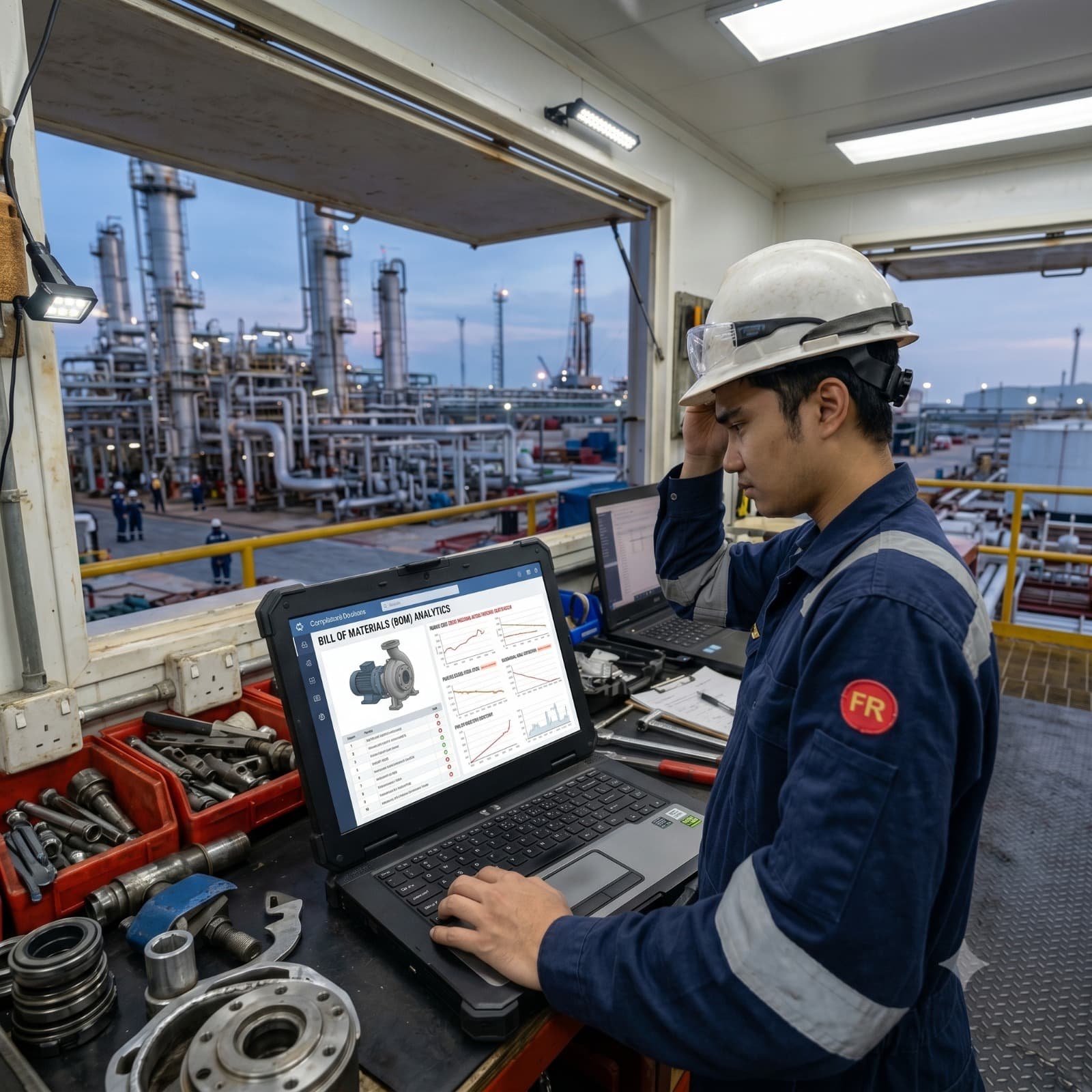
Why a Structured BOM is the Ultimate Reliability Multiplier in Oil & Gas
Author: Jen Megah Bremanda Sembiring (Reliability Engineer)
In upstream and downstream oil and gas operations, reliability engineers often inherit equipment tags with blind spots. We map failure modes and track bad actors, yet our efforts are frequently throttled by a fundamental systemic flaw: a flat, unstructured Bill of Materials (BOM).
Simply put, a BOM is a complete, structured ingredient list of every single component inside a piece of equipment. Instead of just a shopping list for procurement, it serves as the architectural blueprint of asset reliability, mapping physical parts directly to the data layer of your maintenance management system.
1. Eliminating the "Silent Leaks" in Bad Actor Analysis
The standard practice of linking work orders and failure codes solely to a top-level equipment tag creates a dangerous data vacuum. When a critical asset experiences chronic downtime, reliability engineers need precision, not ambiguity.
2. Optimizing the P-F Interval and Predictive Maintenance :
Reliability-Centered Maintenance (RCM) relies on balancing risk, cost, and component availability. When an asset's BOM is integrated with condition monitoring indicators, the organization can shift from defensive, time-based over-maintenance to optimized predictive windows.

3. Mitigating the Risk of Aging Infrastructure and Regulatory Demands
The operational reality for many operators in mature basins is managing infrastructure that has outlived its original design life. In these environments, an incomplete BOM is a direct threat to process safety and compliance.
4. Data Integrity is Operational Resilience
For oil and gas operations facing the critical risk of Loss of Production Opportunity (LPO) and stringent regulatory audits, data integrity is reliability. A poorly structured BOM undermines the advanced analytics, predictive tools, and RCM strategies that modern reliability teams deploy.
Fixing the BOM hierarchy is not a low-level data cleanup task; it is a foundational reliability intervention that secures asset integrity, optimizes maintenance spend, and protects the bottom line.
The future of Indonesian Oil and Gas belongs to those who can master the art of reliability. At Cliste Rekayasa Indonesia, we are committed to being your partner in this transformation, ensuring that your assets remain safe, efficient, and profitable for decades to come.
Let’s Build a More Reliable Future.
Found this useful?
Discover more insights
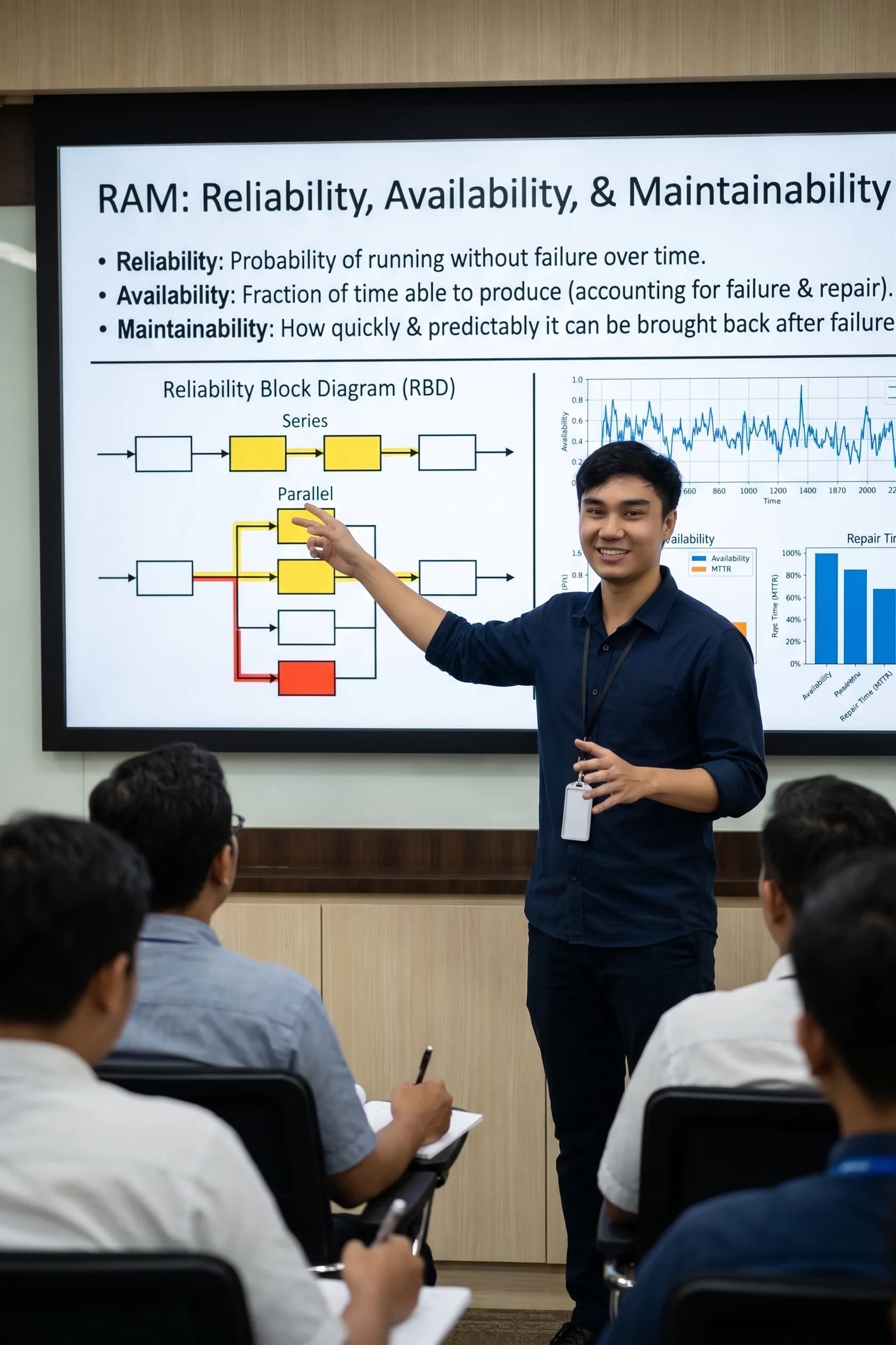
Equipment Reliability Numbers Don't Tell You What the System Will Produce
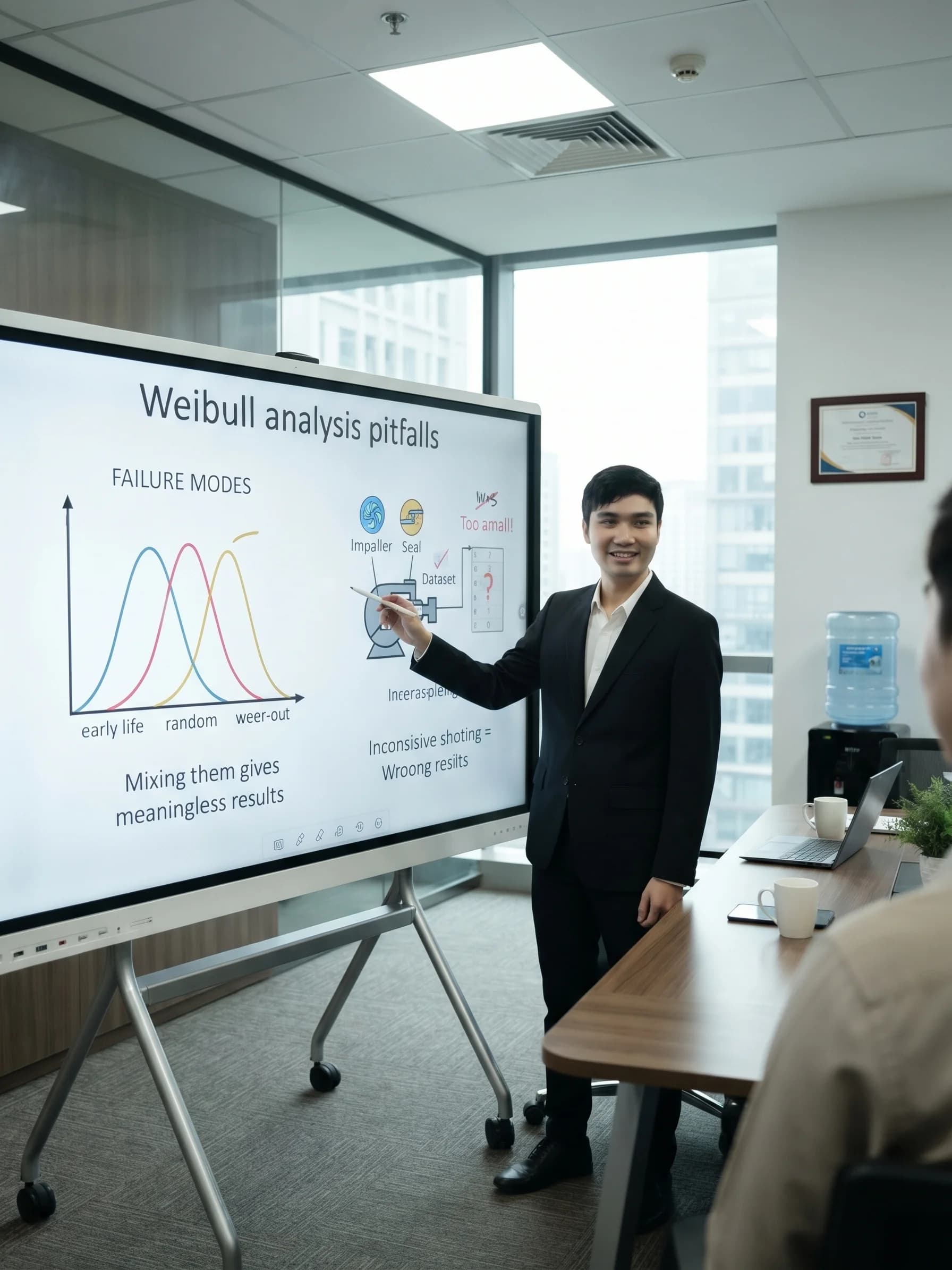
Why Most Weibull Curves in Maintenance Reports Are Wrong

Flare Gas Recovery Belongs on the Maintenance Schedule, Not the Sustainability Slide Deck
Explore More
Discover deeper perspectives and insights.
Explore more insights
Discover deeper perspectives from our experts.