Many Indonesian industrial organizations are currently trapped in a digital paradox. They have invested heavily in software, yet their operational efficiency remains stagnant. The root cause is a fundamental misalignment between rigid, off-the-shelf software and the dynamic reality of engineering workflows.
The Data Trap: Why Digitalization Isn't Transformation
The primary hurdle facing many firms today is the creation of digital silos. Data is collected, but it lacks transparency, auditability, and context. Without strong data governance, organizations accumulate data debt, where the volume of unorganized information actively prevents informed decision-making.

As noted by Bain & Company, leaders often fail to realize the value of digital investments because they lack a digital foundation. They define this as the capability to integrate diverse data streams into a single, reliable truth (Bain & Company, The Future of Industrial Operations).
In the context of the Indonesian oil and gas sector, this lack of integration is a significant risk. Assets require robust, auditable analytics. When software is opaque, engineers cannot verify the logic behind a decision, auditors struggle to validate compliance with standards, and the organizational trust in data evaporates.
The Real-World Cost of Disconnected Operations
When engineering-to-execution workflows are fragmented, the business consequences are severe:
- Operational Inefficiency: Reliance on manual data entry and spreadsheet-hopping remains the standard, drastically increasing the risk of human error.
- Compliance Vulnerabilities: In highly regulated environments, the inability to provide a clear, auditable trail of maintenance and integrity decisions creates significant regulatory exposure.
- Scalability Failures: Rigid systems cannot evolve as assets age. They lack the operational scale performance required to handle real-time engineering demands, leading to systems that break under their own weight.
Research from EY emphasizes that the core challenge for the energy sector is the lack of an integrated engineering-to-execution approach. They state that successful digital transformation requires a platform that enables a seamless flow of information from design and maintenance planning to the actual execution of work in the field (EY, Digital transformation in the oil and gas industry).
Excellence by Cliste Rekayasa Indonesia
If your digital platform does not actively bridge the gap between an engineering decision and a field action, it is merely adding complexity, not solving it. The ultimate goal of digitalization is to create a transparent, scalable environment where every maintenance decision is backed by high-fidelity, auditable data.

Excellence is built by engineers, for engineers. By aligning software architecture with the actual technical requirements of asset management, the platform offers a comprehensive suite of modules that mirror the end-to-end engineering lifecycle:
- Foundational Integrity: Starting with the Asset Register, ECA, and SCE identification to define the critical nature of your equipment.
- Reliability & Analytical Intelligence: Utilizing advanced frameworks like RCM, FMECA, RBD, and Life Data Analysis to optimize the reliability strategy.
- Integrity & Inspection Management
- Execution & Governance
🔒Contact us to learn about all Excellence’s modules!
Excellence bridges the gap between engineering decisions and field actions, ensuring that your operations are not just safe and compliant, but fundamentally optimized for high performance.
Author : Jen Megah Bremanda Sembiring (Reliability Engineer)
Discover more insights
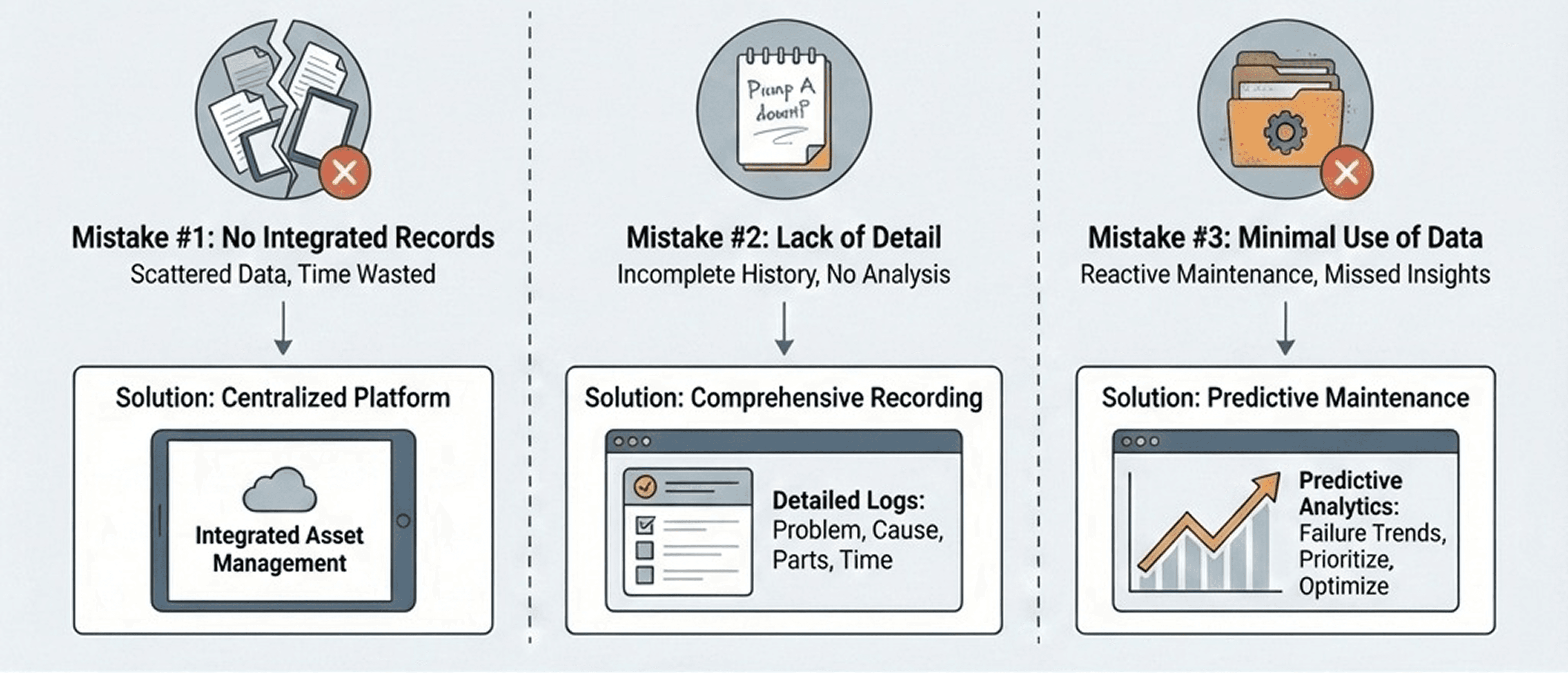
3 Common Asset Recording Mistakes in Oil and Gas Plants and Their Solutions

How Predictive Maintenance Prevents Offshore Equipment Failures
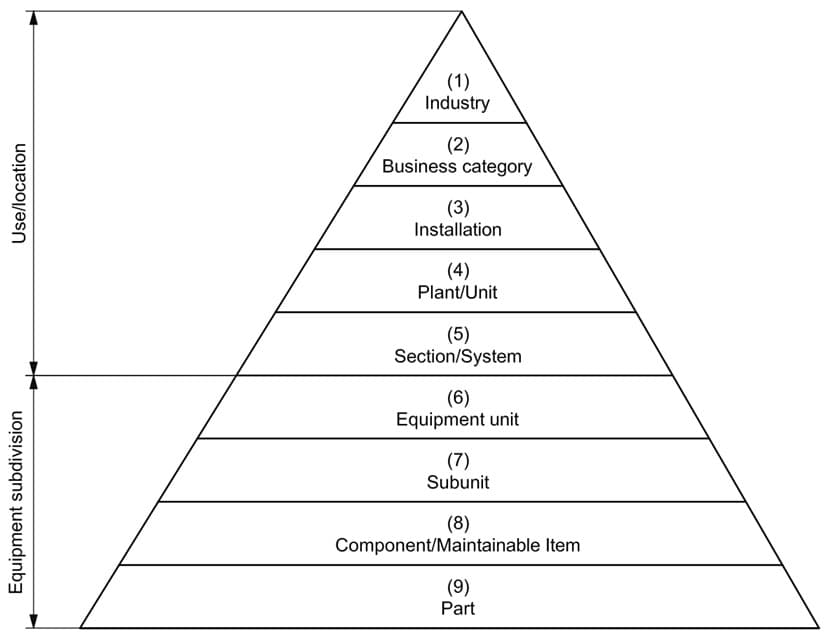
Understanding the Importance of an Asset Register
Explore More
Discover deeper perspectives and insights.
Explore more insights
Discover deeper perspectives from our experts.